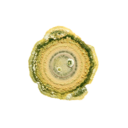
Pests Two-spotted spider mite ( Tetranychus urticae ) and other Tetranychus spp., except Tetranychus evansi . Mode of action Predatory mites use their piercing mouthparts to extract the conten
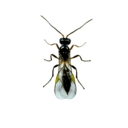
Pests Especially for cotton aphid ( Aphis gossypii) ; tobacco aphid ( Myzus persicae var. nicotianae ); peach-potato aphid ( Myzus persicae var. persicae ). Mode of action Adult parasitic wasps emerge
Pests Larvae of various species of thrips (first and second larval stages); eggs and larvae of greenhouse whitefly ( Trialeurodes vaporariorum ) and tobacco whitefly ( Bemisia tabaci ). Crops Do not u
Pests Two-spotted spider mite ( Tetranychus urticae ); european red mite ( Panonychus ulmi ); citrus red mite ( Panonychus citri ); other spider mite species. Crops Do not use in tomato. Mode of actio
Trichoderma harzianum Rifai strain T-22, which when applied to seeds, transplants or other propagative material, or to soil or planting mixes, grows onto plant roots as they develop and provides prote
Control armoured scales in citrus and grapes with Rhyzobug In our continuous pursuit to help growers biologically control pests in their outdoor crops, we are excited to introduce the newest member to
Introduction to spider mite management Spider mites are a persistent problem in both agricultural and horticultural settings. These tiny arachnids feed on plant tissues, causing extensive damage that
Actively contributing to the world’s SDGs In 2015, the United Nations Sustainable Development Goals (SDGs) offered the world a blueprint towards achieving a better and more sustainable future for all.
Our people We aspire to create a workplace where people work with pleasure in a safe environment to achieve our mission. We prioritize developing and fulfilling our employees' talents and ambitions, e