Thrips are one of the most challenging pests in horticulture and agriculture, causing both direct and indirect damage to a wide range of crops. Their ability to reproduce rapidly, damage plant tissue,
Spidex attacks a two-spotted spider mite . To verify predation, check the bodies. Koppert’s unique rearing methods make it an indiator species, so they turn red when they feed on the pest. Armor Up Wi
Pests Young larvae of various thrips species. Also has an effect on eggs and larvae of whitefly , all stages of non-webbing spider mites (e.g. European red mite, Panonychus ulmi ) and rust mites. Crop
Pests Two-spotted spider mite ( Tetranychus urticae ) and other Tetranychus spp., except Tetranychus evansi . Mode of action Predatory mites multiply in the sachet and disperse into the crop over a pe
Ulti-Mite represents a significant advancement in the packaging of predatory mites , designed to enhance biological pest control across a wide range of crops. In 2016, we introduced this groundbreakin
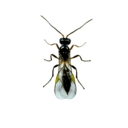
Pests Greenhouse whitefly ( Trialeurodes vaporariorum ); Tobacco whitefly ( Bemisia tabaci ). Mode of action Adult female parasitic wasps parasitize second to fourth stage larvae of the whitefly . Hos
Introduction to spider mite management Spider mites are a persistent problem in both agricultural and horticultural settings. These tiny arachnids feed on plant tissues, causing extensive damage that
The predatory mite Neoseiulus californicus (previously Amblyseius californicus) is commonly used for biological pest control of spider mites . Although Neoseiulus californicus prefers spider mites it
Predatory bugs Predatory bugs are beneficial insects crucial for natural pest control in agriculture. Equipped with piercing mouthparts, they actively hunt and feed on various harmful pests, helping t
What are predatory mites? Predatory mites are beneficial arthropods used in pest control to manage and reduce populations of harmful pests in various agricultural and horticultural settings. These tin