
Skip to content
  • Jump to:
  • Flies
  • Damage
  • Species
  • Solutions
  • News

Biological control of flies

Flies are a common pest problem in greenhouse and field crops, where they disturb plant growth, spread diseases and affect crop hygiene. Their larvae can damage roots and growing media, while adults can cause contamination. Effective fly control is essential to maintain healthy and high-quality crops. Biological control of flies combines targeted monitoring and natural enemies that reduce both larval and adult populations:

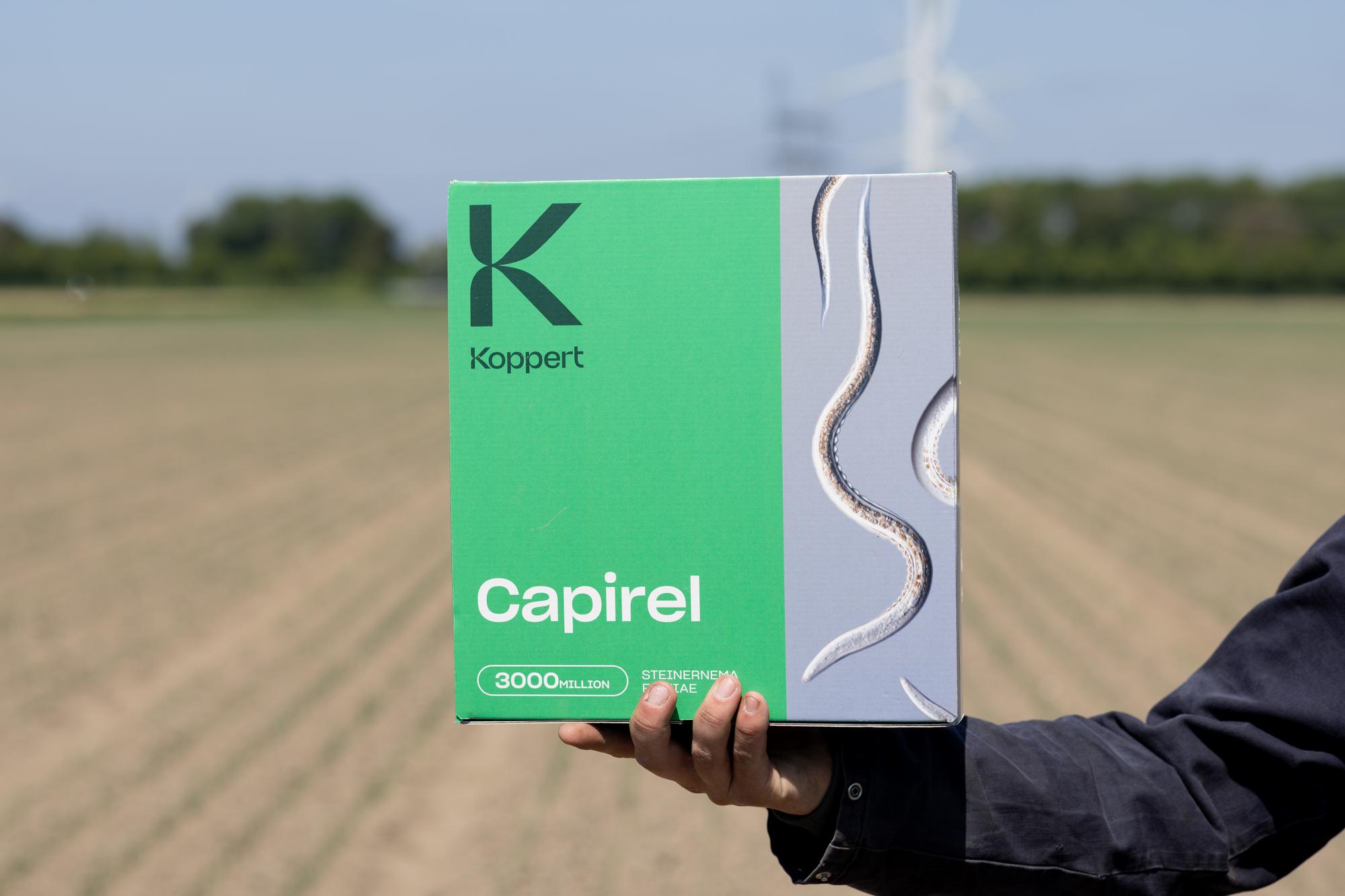
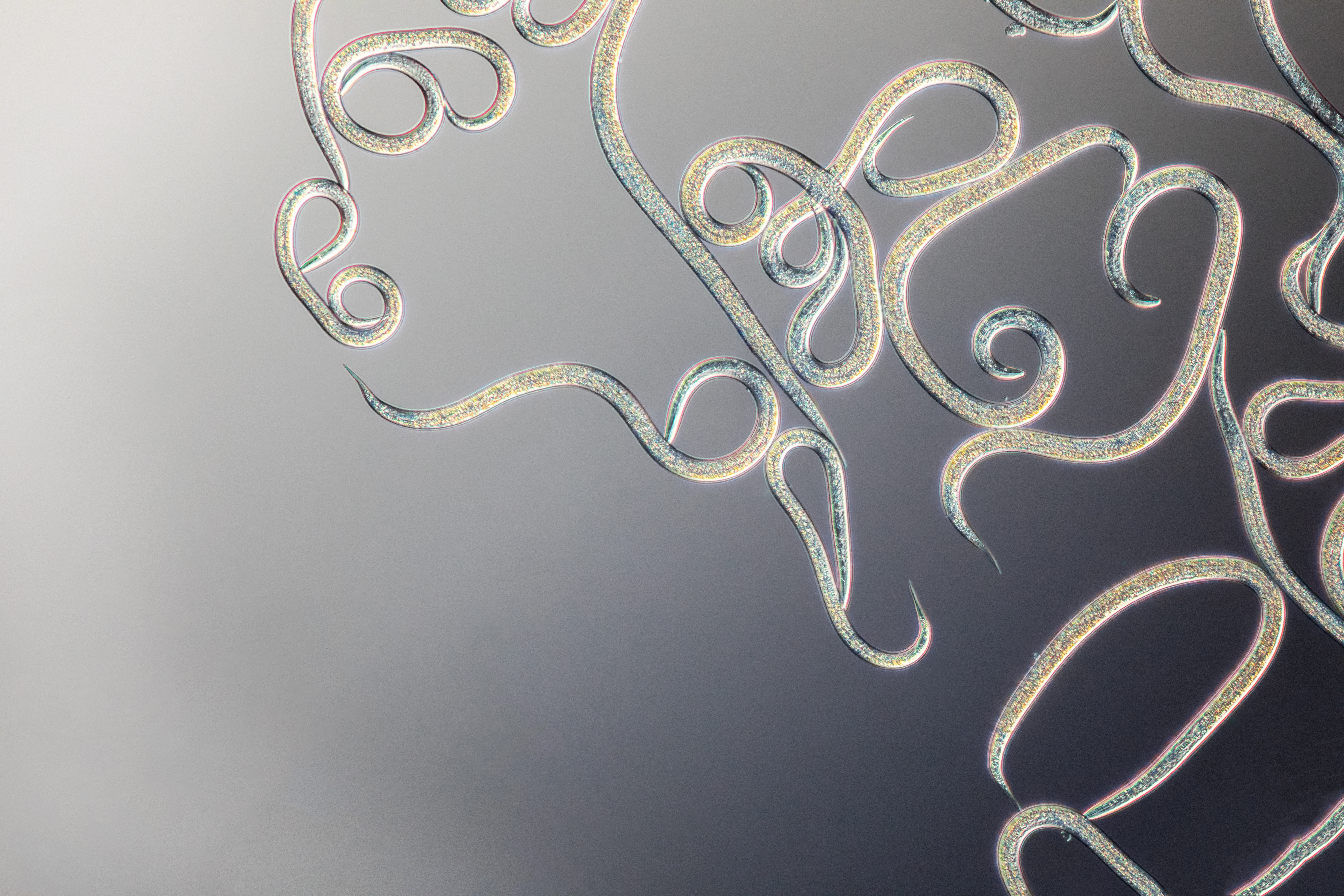
Beneficial nematodes and predatory mites target fly larvae in the soil, while traps and attractants reduce adult populations and support monitoring. With Koppert’s biological solutions for flies, professional growers can achieve reliable pest management, protect crop hygiene and maintain sustainable growing conditions.

Biological solutions for Flies

Filters:
Clear all filters
Show all Show less
products found:

Questions or need help?

Find a reseller

Learn more about

What are flies?

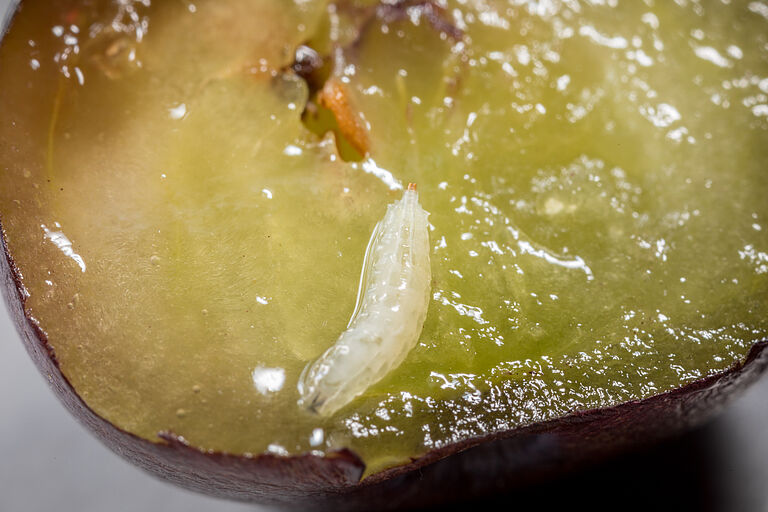
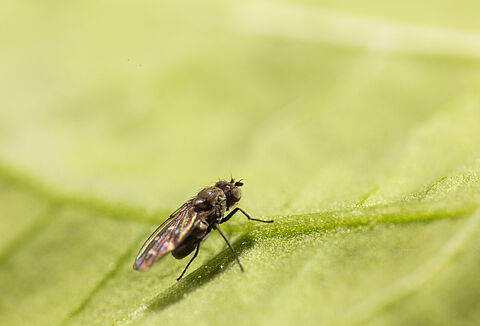
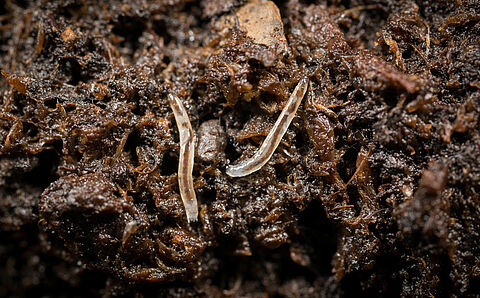
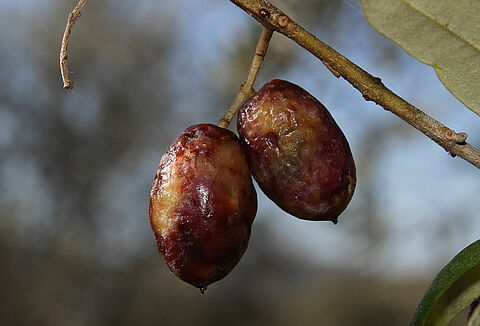
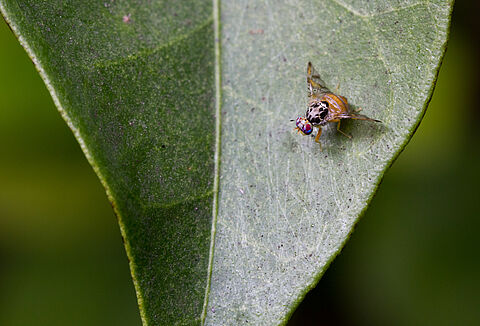
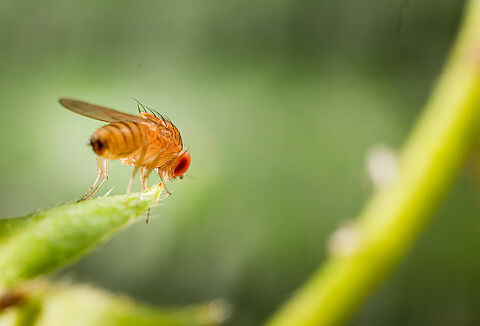
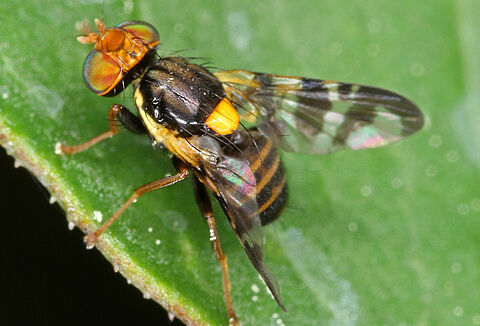
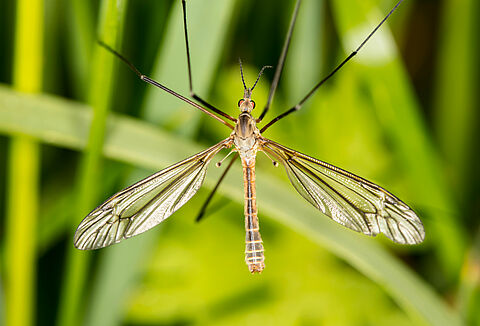
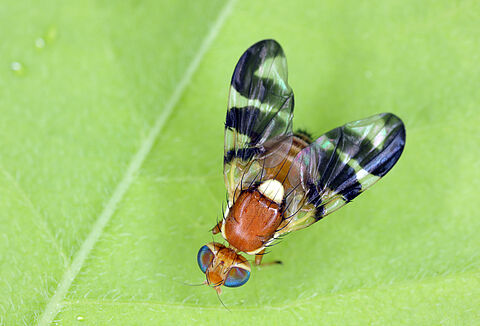
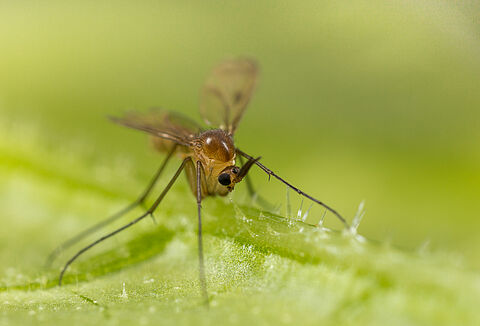
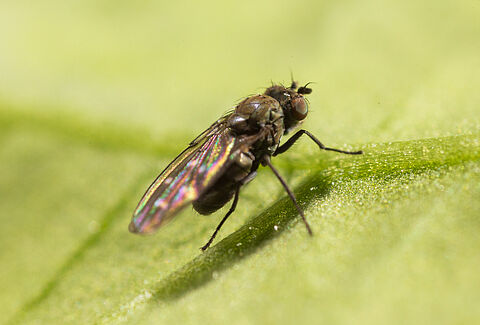
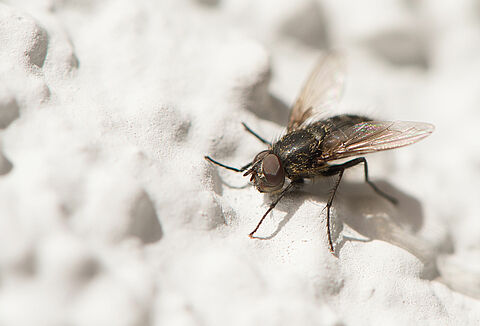
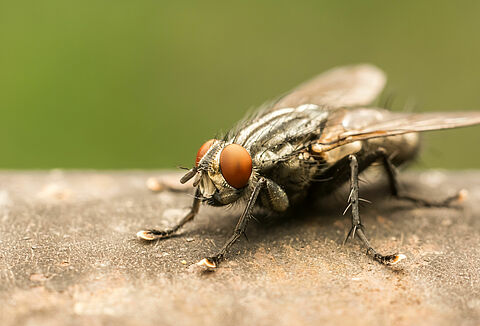
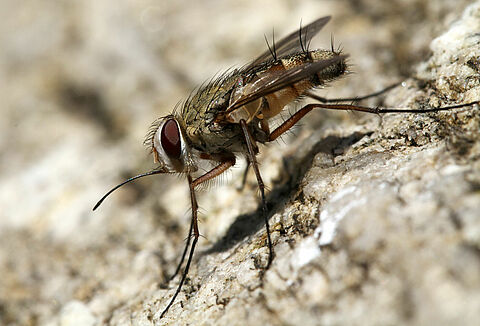
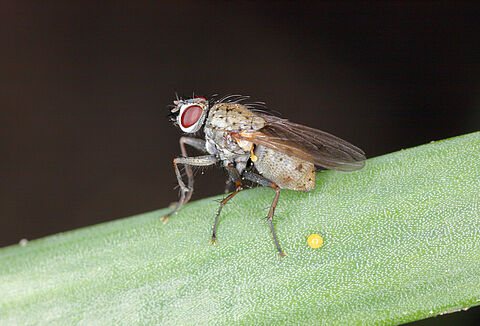
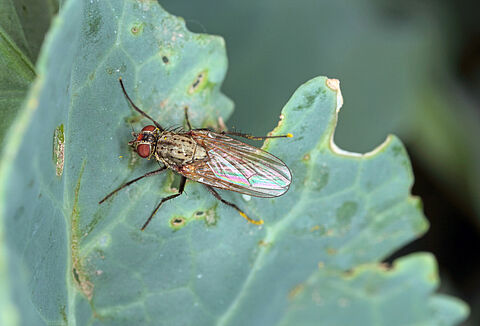
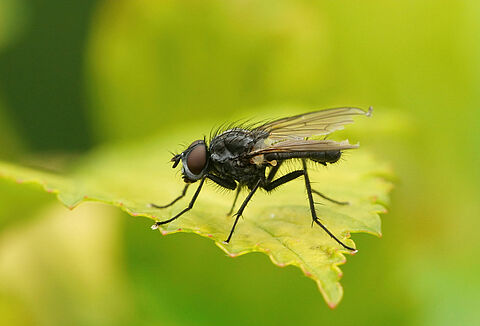
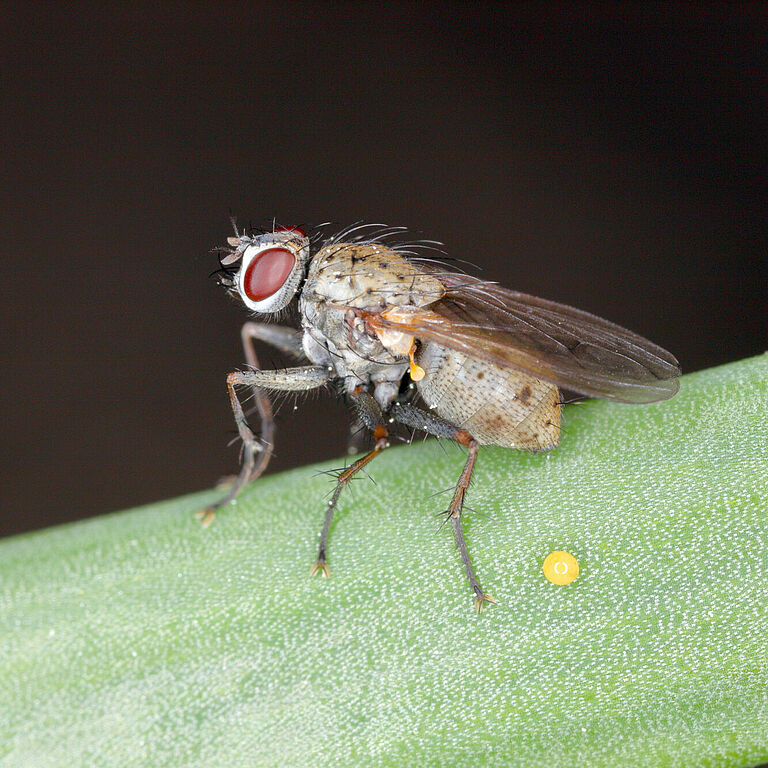
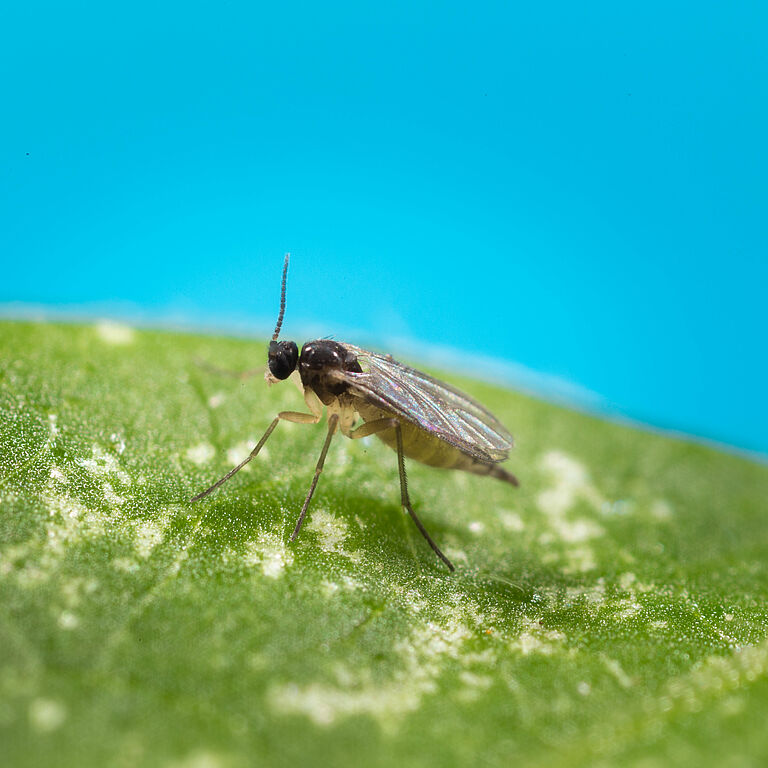
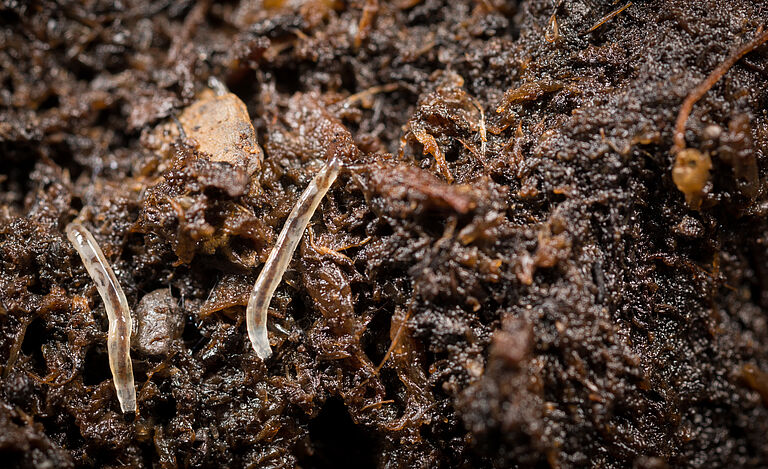
There are several flies that are pests in agriculture, horticulture and mushroom cultivation. Species that can cause damage or nuisance, are particularly small flies of the families Sciaridae (sciarid flies) and Ephydridae (shore flies). The larvae of these insects generally live on rotting plant material and are mostly found in the soil. The spotted wing drosophila, Drosophila suzukii, has recently developed into a major pest on soft fruits in Europe and North America. Sciarid flies and shore flies are mainly a problem in greenhouses. Their larvae live in the ground and prefer moist substrates that is rich in organic matter. Although they cause little direct damage to plants, they are often a problem due to their large number. Larvae of flies of the family Keroplatidae (mainly Lyprauta sp.) can cause damage in potted orchids. The Spotted Wing Drosophila has recently invaded Europe and the Americas where it is causing serious damage to many soft fruit crops.
Fly damage

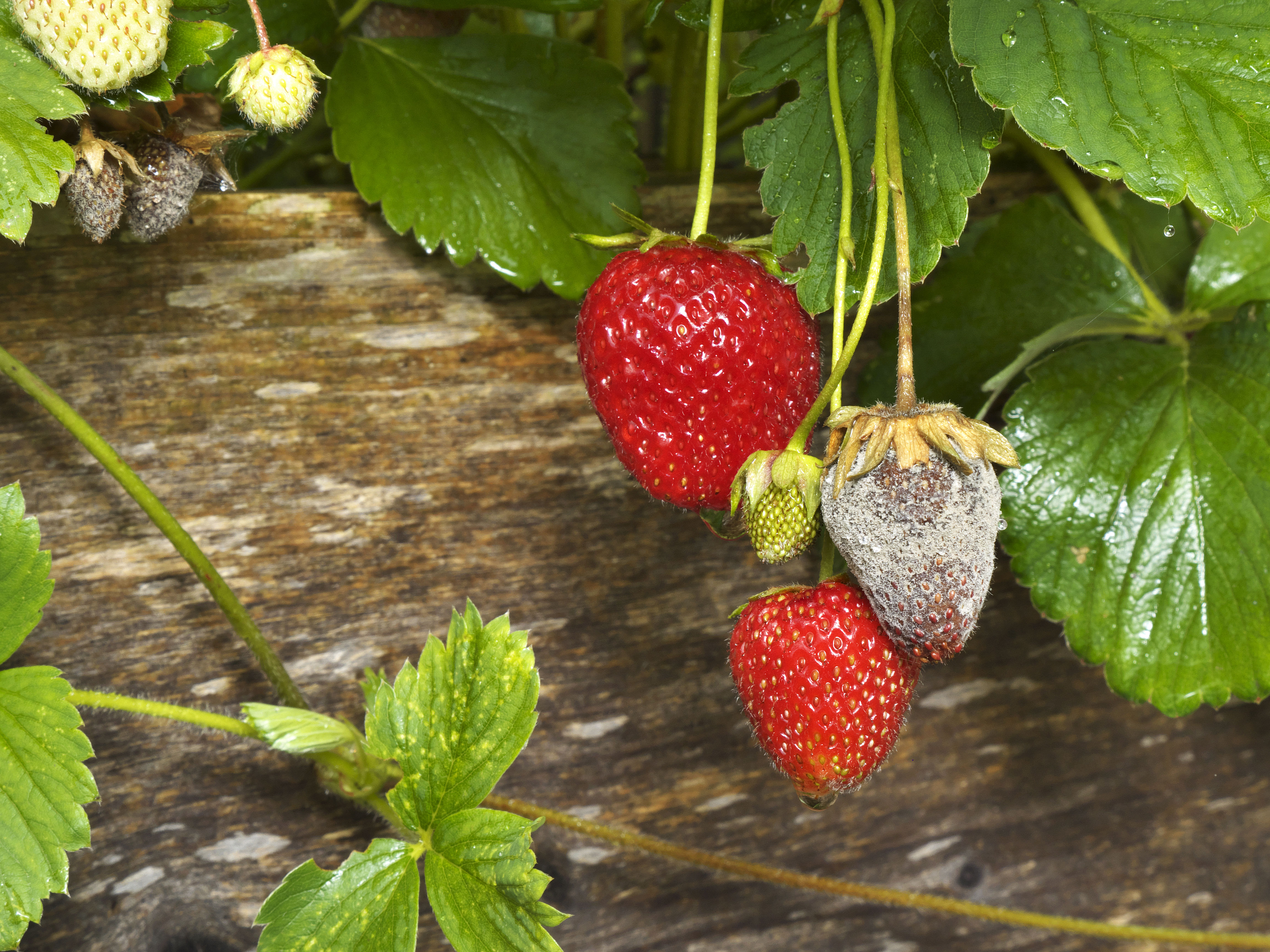
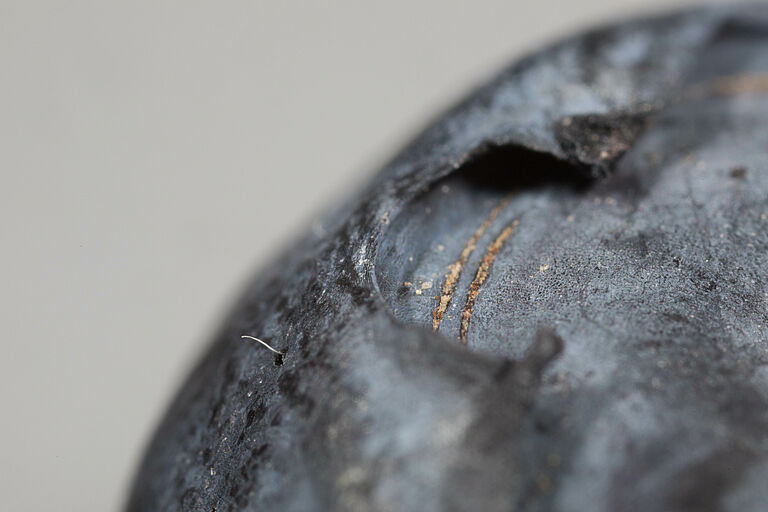
Flies can cause damage to crops both directly and indirectly. The type of damage depends on the species of the flies. Direct damage is the immediate result of larvae feeding on root hairs and tender roots as well as stem and leaf tissue and fruits. The lesions caused by feeding larvae provide invasion routes for various pathogenic fungi, for instance Fusarium sp. And Botrytis sp. Adults can also spread pathogens from diseased to healthy plants. Frass deposited on leaves or flowers in ornamental crops, lettuce, and herbs also causes cosmetic damage, and sometimes this can occur on such a scale that growth, particularly of young cuttings, can be retarded.

Fly species

Fly control videos

Take a look at the video or go to our Youtube channel to see our fly control products in action.

How to get rid of flies

Need help?